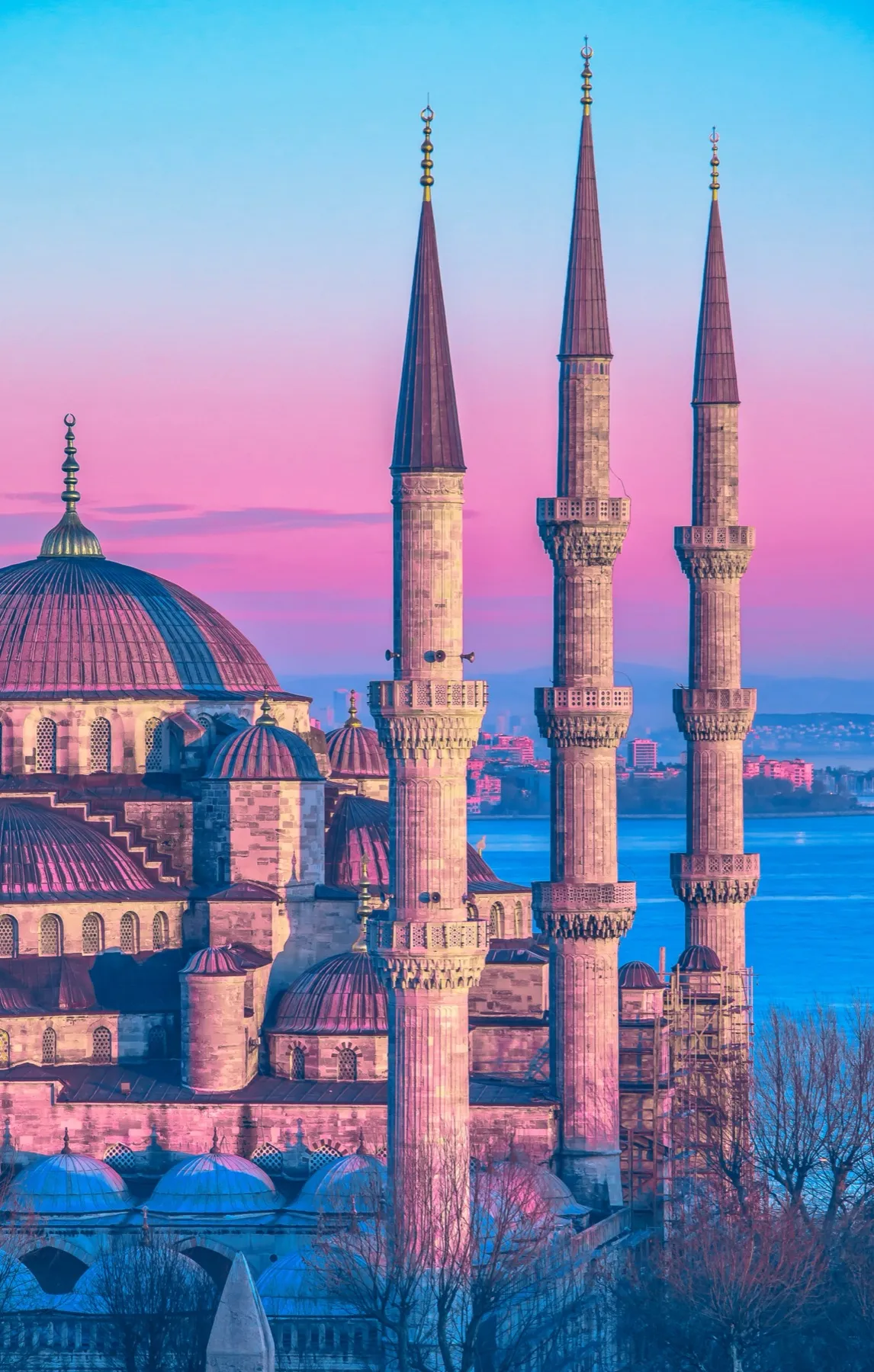
Ask any guide why the Blue Mosque has six minarets and you'll hear the same story. It's a good one. It's also probably not true.
Ahmed I took the Ottoman throne in 1603, aged about 13. By 1609 he was building a mosque facing Hagia Sophia, with Sedefkâr Mehmed Ağa as his architect. It was finished around 1616.
Legend says the young sultan asked for altın minarets, meaning gold. The architect heard altı, meaning six. Two Turkish words, almost the same sound, and a mosque got six towers.
The legend goes on. Six minarets matched the great mosque at Mecca, and people were outraged. So the sultan calmed them by paying for a seventh minaret at Mecca.
Lovely. Now check the dates.
Ahmed died in November 1617. Mecca's seventh minaret is recorded in a renovation under Murad IV in 1629, twelve years later. The fix, if it was one, came from another sultan, long after Ahmed was gone. Historians call the whole tale apocryphal. Guides tell it anyway.
So why six? Architectural historians give a less romantic answer. A young sultan building across the square from Hagia Sophia wanted to rival it, maybe beat it. His age liked excess, and more minarets meant more show. Six was probably no mistake. It was the point.
Stand in Sultanahmet Square and count the six before you go in. Then enter by a side door, as non-Muslim visitors usually do, and look up at the tiles. The insider move: skip midday, step back out, and tell the legend to whoever you're with while you look at minaret number six. Visiting windows weren't confirmed when we checked, so read what's posted at the courtyard.