Mehmed II raised a fortress on the Bosphorus in about four months. Its restoration has run about six years. Still worth it? Yes.
Spring 1452. Mehmed wants to stop ships coming down the Bosphorus to Constantinople. He picks the narrowest point himself, about 700 metres across, facing Anadoluhisarı, built by Bayezid I in 1393–94.
Three viziers, Halil, Zağanos and Saruca Pasha, each take a part; the main towers still carry their names.
A thousand soldiers skilled in building are called in. Stone comes from Anatolia and nearby ruins, including an old church; city people who protest are captured and killed.
Meanwhile Emperor Constantine XI writes to Mehmed. Not a threat, a request: keep your men out of the villagers' crops. He sends gifts.
Start date? 21 March, 26 March or 15 April, by source. Finished in August: about four months, by historian Feridun Emecen's count. The press prefers 90 days.
The first name was Boğazkesen, "strait-cutter". Boğaz also means throat in Turkish, so the name carries a darker second reading. Wordplay, not translation. Rumelihisarı, roughly "fortress of the land of the Romans", came later.
Then the rule: lower your sails and pay a toll, or get fired on. Antonio Rizzo's ship ignored it and was sunk by the first shot.
As Mehmed left, his guards fought Greek shepherds and the Byzantines shut their gates. Ottoman historians trace the declaration of war to it.
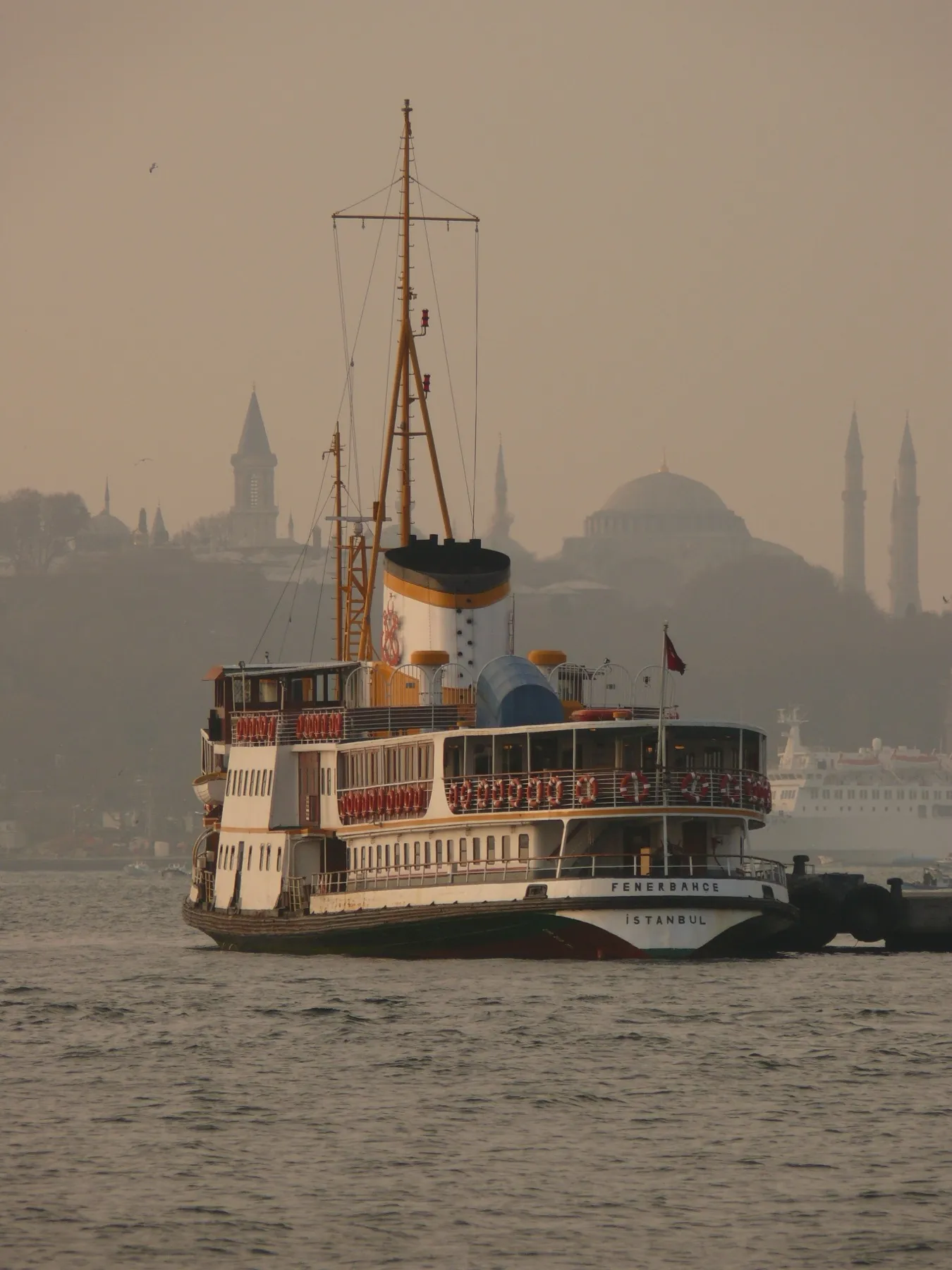
As of September 2026 the fortress is closed for restoration, no reopening date given. So see it the way ships did: from a Bosphorus ferry, watch the two fortresses face each other across the water, or stand on the shore at Rumelihisarı or Aşiyan and look across at Anadoluhisarı. Ferry stops and shore access weren't checked.